Author: Jasper | RacingPartsWorld G-Class Parts Specialist | 10+ years experience in Mercedes G-Class aftermarket parts and performance upgrades
Introduction
The best modification projects start with the right foundation. A clean used G-Class bought at the right price is the ideal base for a build — but a neglected example with hidden issues will turn the project into a money pit. The G-Class is famously durable, yet that reputation leads buyers to skip inspections they would perform on any other vehicle.
This guide covers what to check before buying a used W463, W464, or W465 G-Class, how to evaluate a vehicle that is destined for modification, and the inspection points that separate a good project car from an expensive mistake.
Before You Look: Define the Project
The vehicle you need depends on the build you plan:
- Visual build (wide body, carbon, lighting): any structurally sound G-Class works; the generation defines the kit availability — see our W463 to W464 conversion guide and G800 vs G900 wide body comparison for the generation requirements
- Performance build: the powertrain and drivetrain condition dominate the decision
- Interior-heavy build: cabin condition and electronics matter more
Clarify the project first, then shop the vehicle to match. Buying the wrong generation for your planned kit is the most common and most expensive mistake.
The Paperwork Check
Before the physical inspection, verify the vehicle’s history:
- Service records: a documented service history is worth a premium on any G-Class. Gaps matter — see our G63 maintenance checklist for what regular care should look like
- Accident history: check for structural repairs. A repaired G-Class can still be a good project if the repair is documented and clean
- Ownership count: low-owner vehicles with complete history are the safest projects
- Modification history: if the previous owner modified it, verify the work quality — undocumented modifications are a negotiation point, not a selling point
- Registration and title status: verify clean title and registration status before any deposit
The Mechanical Inspection
The G-Class drivetrain is durable, but these points deserve scrutiny:
- Engine health: listen for unusual noises at cold start, check for oil leaks and contamination, and verify service intervals
- Transmission and transfer case: test all gears and low range; shifting should be smooth in every mode
- Suspension: check for worn bushings, leaking dampers, and uneven tire wear — see our suspension upgrade guide for what to listen and feel for
- Brakes: check rotor condition, pad life, and brake fluid age — brake condition is a negotiation point and a safety item
- Four-wheel-drive system: engage and test the differential locks if equipped — these are expensive to repair
The Body and Rust Inspection
Rust is the G-Class’s silent enemy, particularly on older W463 models:
- Frame and underbody: inspect for rust on the frame rails, particularly in salt-belt vehicles. Surface rust is normal; structural rust is a deal-breaker
- Door hinges and seals: the G-Class’s exposed hinges and door seals wear visibly — check seal condition for leaks
- Wheel arches and fender wells: check the rust zones behind the arches
- Paint condition: for a visual build, paint condition affects the budget — a full respray is a significant line item
- Glass and trim: check for cracks and missing trim that will need replacement
The Electrical and Interior Check
- Electronics: test every function — windows, locks, seats, climate, and infotainment. Electronics repairs on modern G-Class models are expensive
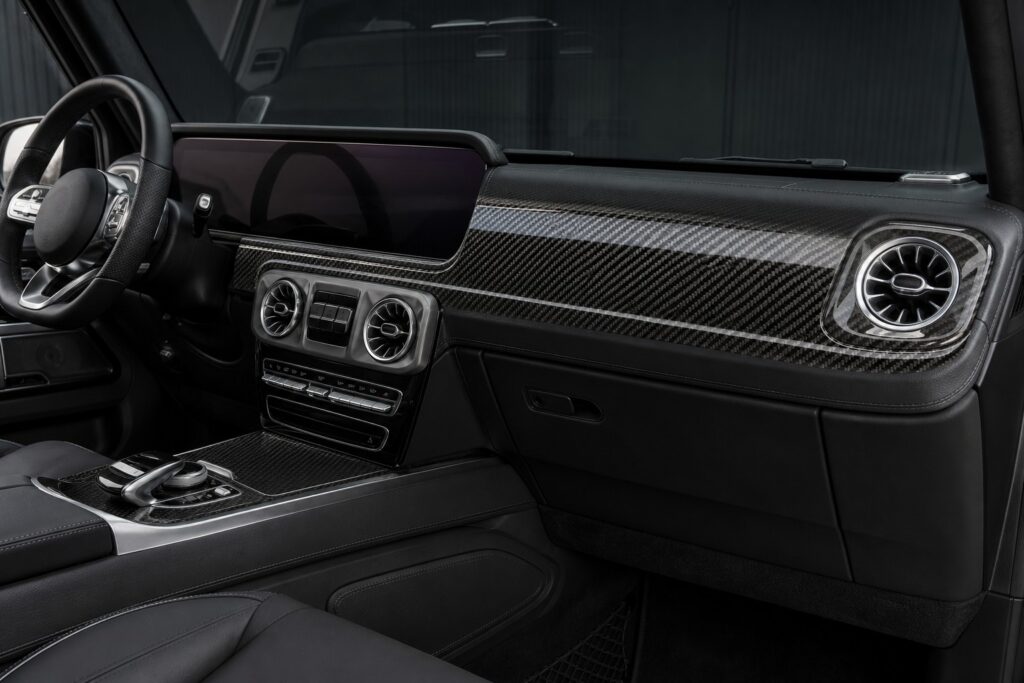
- Interior condition: wear on the seats and trim sets the renovation budget — see our top interior upgrades guide for the refresh path
- Lighting: test all lights, including the marker lights; check for aftermarket lighting quality if previously modified
- Battery and charging: test battery health and charging output
The Project-Car Perspective
When the vehicle is destined for modification, apply these extra considerations:
- Rust beats mileage: a low-mileage rusted car is a worse project than a higher-mileage clean one
- Generation drives everything: kit availability, part pricing, and resale all follow the generation — confirm your planned parts fit before purchase
- Budget the baseline: set aside budget for baseline maintenance (fluids, filters, tires) before the modification budget — see our wide body installation cost guide for realistic project math
- Documentation wins: whether you buy or sell, documentation is the value driver — our resale value guide explains why
Frequently Asked Questions
Is a high-mileage G-Class a bad buy?
Not necessarily — the G-Class is built to last, and a high-mileage example with full service history can be an excellent project base. Mileage matters less than maintenance and rust.
Which generation should I buy for a build?
W464 (2019+) has the widest aftermarket support and modern electronics. Classic W463 values are rising but parts availability is generation-specific. Decide your kit first, then buy the generation.
Should I buy a modified G-Class?
Only with full documentation of the work. Undocumented modifications are a risk — verify quality or negotiate down and plan to redo questionable work.
What is the single most important check?
Rust on the frame and underbody. Everything else is repairable at a price; structural rust is the one issue that can make a project uneconomical.
Do I need a pre-purchase inspection?
Yes — a specialist inspection is cheap insurance on a vehicle this expensive. A G-Class specialist knows exactly where these vehicles hide their issues.
Related Upgrades
Once you have the right foundation, the build options are wide open: see our complete dry carbon conversion guide, our G63 vs G500 guide for model choice, and our G-Class generations guide for the platform differences.
Sources
RacingPartsWorld Pre-Purchase Inspection Records (2022-2026, n=90+ vehicles), Owner Survey Data, Market Condition Reports (2026)
Last updated: September 2026