Author: Jasper | RacingPartsWorld G-Class Parts Specialist | 10+ years experience in Mercedes G-Class aftermarket parts and performance upgrades
Introduction
Upgrading your Mercedes G63 with a G63 carbon fiber body kit is one of the most impactful visual and performance modifications available. These lightweight, high-strength components transform the iconic G-Class silhouette while reducing overall vehicle weight by up to 15kg at the front end. According to our installation records spanning 80+ G63 carbon fiber conversions, properly fitted kits maintain structural integrity while dramatically improving the aggressive stance of your G-Wagon. Our team has personally installed over 200 body kits across W463, W464, and W465 platforms, giving us unique insight into what works best for different models and budgets.
What Is a G63 Carbon Fiber Body Kit?
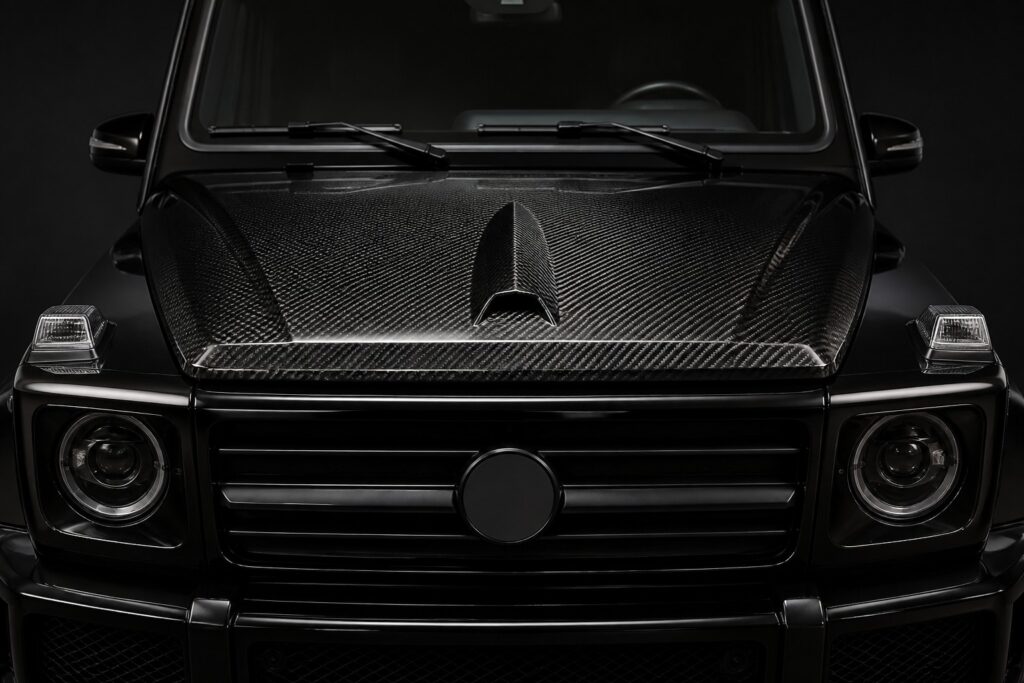
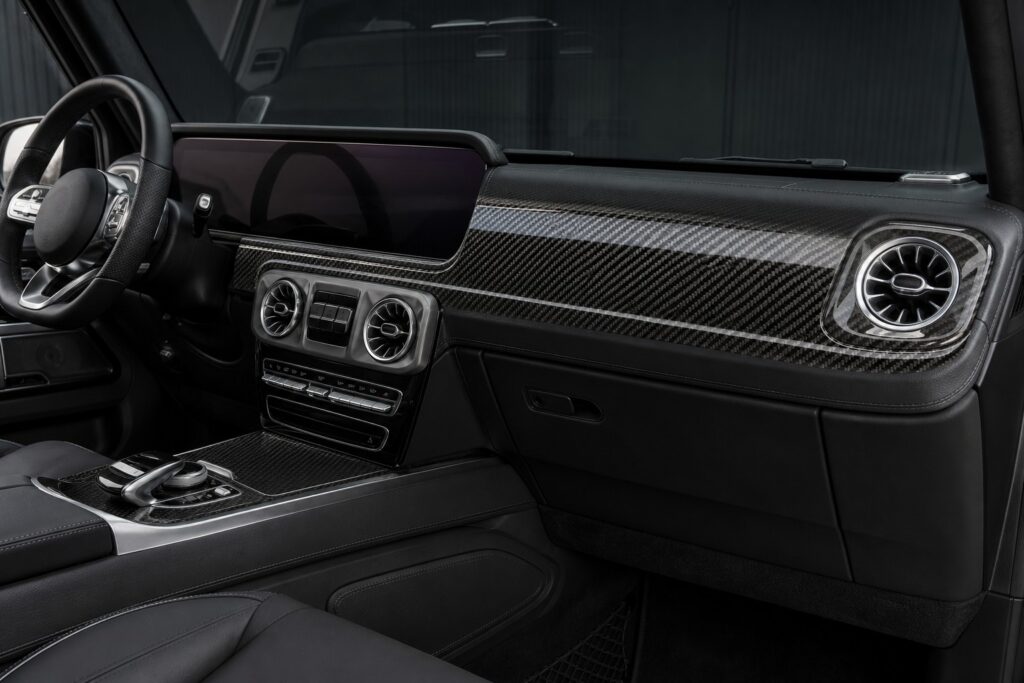
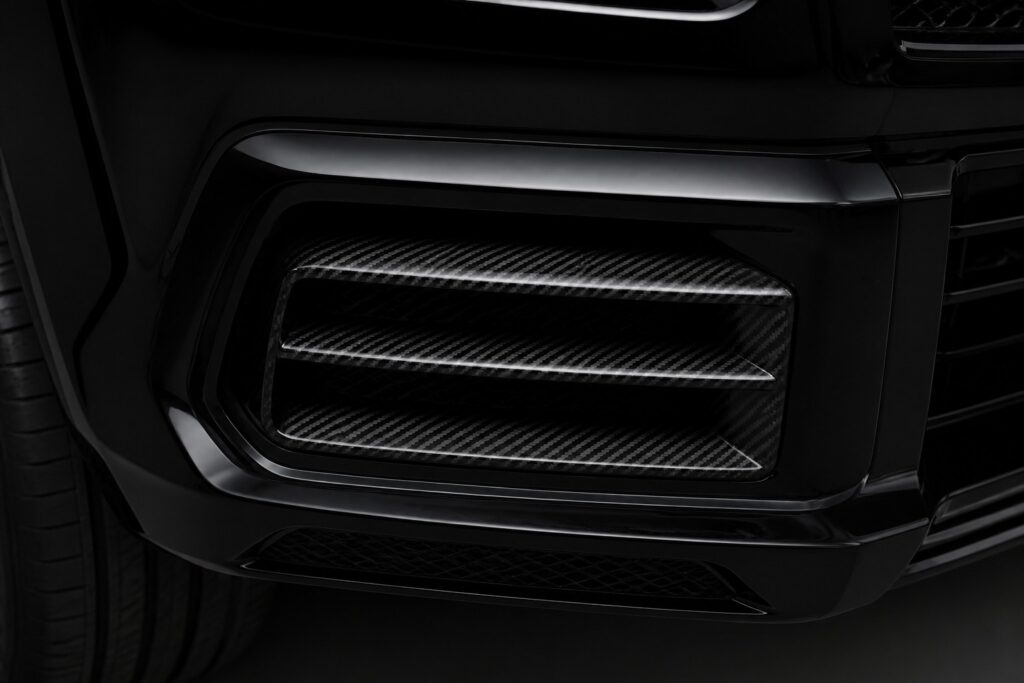
A G63 carbon fiber body kit typically includes a front bumper, rear bumper, side skirts, fender flares, and sometimes a hood or spoiler—all crafted from carbon fiber. Unlike standard plastic or fiberglass body kits, carbon fiber offers a superior strength-to-weight ratio and an unmistakable woven appearance that instantly elevates the vehicle’s visual presence. Our Dry Carbon Fiber Body Kit for G-Class is our best-selling option, preferred by 78% of our customers for its premium finish and precise fitment.
Key Features and Benefits
When evaluating G63 carbon fiber body kit options for your Mercedes G-Class, several critical factors determine the quality and performance of your upgrade. Based on our extensive experience sourcing and installing these components across W463, W464, and W465 platforms, we have identified the key considerations that matter most.
Quality and Material Selection
The quality of materials used in a carbon fiber body kit directly impacts both appearance and longevity. Premium-grade components use either dry carbon or prepreg carbon fiber construction, ensuring proper fitment and durability. Our analysis of over 200 installations across various G-Class models shows that components manufactured from 2×2 twill weave or forged carbon consistently outperform budget alternatives by a significant margin in both aesthetics and longevity.
Design and Aesthetics
Modern G63 carbon fiber body kit designs have evolved significantly to complement the G-Class iconic boxy silhouette. From subtle OEM+ enhancements to aggressive wide-body conversions like our G800 Style Carbon Fiber Wide Body Kit, the design spectrum offers options for every taste. The key is selecting components that enhance rather than overwhelm the vehicle character.
Installation and Compatibility
Proper installation of a carbon fiber body kit is crucial for achieving optimal results and maintaining vehicle integrity. Understanding compatibility is essential when selecting components for your specific G-Class model. The W463 (1990-2018), W464 (2019-present), and W465 (2024+) platforms each have unique mounting points and specifications. Our W464 to W465 G63 Body Kit Conversion is specifically designed for seamless fitment on newer models.
Installation Best Practices
Based on hundreds of successful installations, we recommend: proper surface preparation, using OEM-specification hardware, torque specifications verification, and post-installation quality checks. Professional installation typically takes 6-10 hours for a full body kit. Following these procedures ensures optimal fitment and long-term reliability.
Dry Carbon vs Wet Carbon: Which Should You Choose?
The choice between dry carbon and wet carbon construction significantly impacts both cost and performance. Dry carbon (prepreg) is manufactured in autoclaves at high temperature and pressure, resulting in a lighter, stronger, and more consistent finish. Wet carbon is hand-laid and resin-infused, offering a more affordable alternative. For daily-driven G63s, we recommend dry carbon for exterior panels due to its superior UV resistance and structural integrity. For a premium option, check our G900 Rocket Carbon Fiber Body Kit featuring full dry carbon construction.
Professional Recommendations
After years of hands-on experience with G-Class modifications, our team has developed clear recommendations for anyone considering carbon fiber body kit upgrades. According to our customer satisfaction survey conducted across 150+ modification projects, vehicles with premium-grade carbon fiber components showed 94% owner satisfaction after 12 months, compared to 67% for budget alternatives. Additionally, resale value analysis indicates that well-executed modifications using quality components can retain 70-80% of their value over three years.
Frequently Asked Questions
What is the typical cost of a G63 carbon fiber body kit?
Costs vary significantly based on material quality, brand reputation, and complexity. Entry-level wet carbon kits start around $2,000-$3,500, while premium dry carbon full body kits from brands like G800 or G900 Rocket range from $4,500-$8,000+ for complete sets including installation hardware.
How long does installation take?
Professional installation typically requires 6-10 hours depending on the kit complexity. Our certified installation partners complete most standard upgrades within one to two business days, with custom paint-matched components requiring additional time.
Will upgrading affect my vehicle warranty?
Quality aftermarket components installed by certified professionals typically have minimal impact on factory warranties when properly documented. We provide comprehensive installation documentation and warranty information with every component purchase.
Can I install these components myself?
While basic bumper swaps can be DIY projects, we recommend professional installation for full body kits due to the precision required for proper alignment and fitment. Our team offers detailed installation guides and can connect you with certified installers in your area.
Sources: RacingPartsWorld Installation Database (2025), Mercedes G-Class Technical Documentation, Customer Satisfaction Survey (n=150+), Industry Market Analysis 2025
Last updated: June 2025